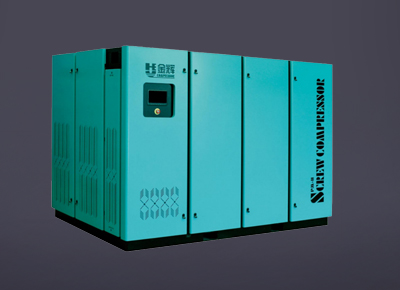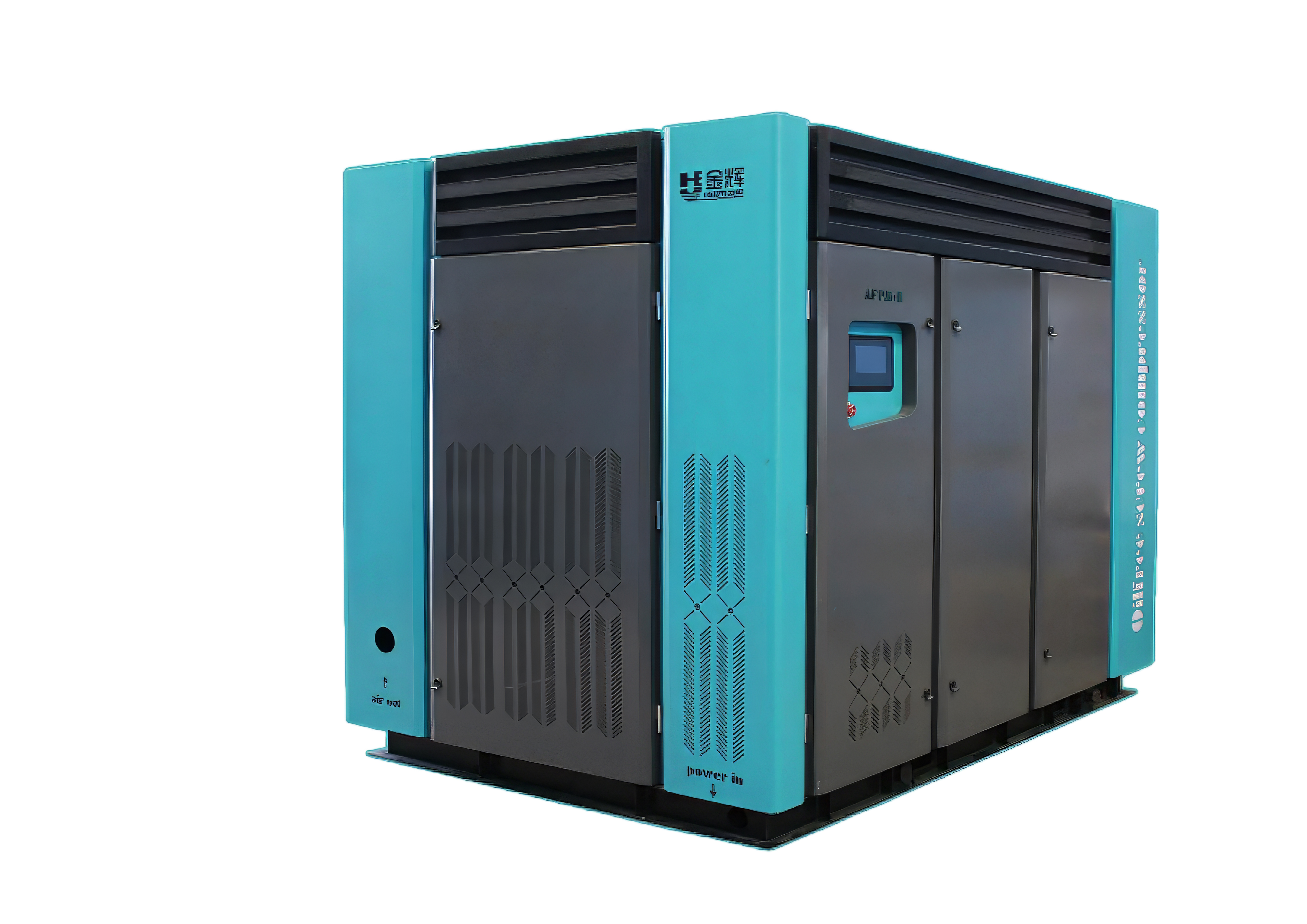
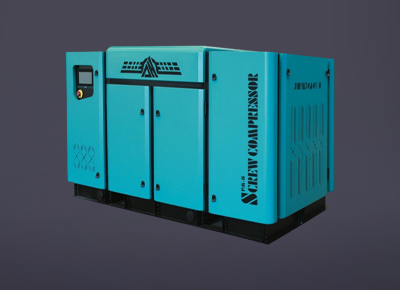
The integration of Artificial Intelligence (AI) and Internet of Things (IoT) is transforming air compressors from mechanical devices into intelligent systems. Leading brands like BOGE and Elgi are launching models with real-time monitoring, self-diagnostics, and remote control capabilities.
Key Innovations:
- Predictive Maintenance: Sensors track vibration, temperature, and oil quality to predict failures before they occur. For instance, the PowerJet X9000’s digital control panel alerts users to filter replacements or coolant leaks, reducing downtime by 30%.
- Energy Optimization: AI algorithms adjust motor speed based on demand, slashing power consumption. A case study in a German automotive plant showed a 22% reduction in electricity costs after switching to smart compressors.
- Cloud Connectivity: IoT-enabled compressors sync with factory management software, enabling centralized control of multiple units. This is critical for large-scale operations like spray painting lines or pneumatic tool networks.
Case Study: HT-8000 Pro’s Hybrid Power System
The HT-8000 Pro offers diesel-electric and fully electric variants, allowing factories to switch between power sources based on cost and availability. Its mobile app interface lets operators monitor pressure, flow rate, and maintenance schedules from smartphones, enhancing operational flexibility.
Market Impact:
- Cost Savings: Smart compressors reduce lifecycle costs by 15–20% through lower energy use and fewer repairs.
- Sustainability: Compliance with ISO 50001 energy management standards is easier with automated reporting tools.
- Scalability: Modular designs, such as stackable compressor units, let businesses expand capacity without overhauling infrastructure.
Challenges:
- Cybersecurity risks associated with connected devices.
- High upfront costs for retrofitting legacy systems.
Future Directions:
- Blockchain Integration: For secure data sharing across supply chains.
- Augmented Reality (AR): For remote technician support during repairs.