The global air compressor market is projected to reach USD 8.43 billion by 2029, growing at a CAGR of 5.7% from 2023 to 2029, according to QY Research. This growth is fueled by industrial automation, rising demand for energy-efficient solutions, and expansion in emerging markets like Asia-Pacific.
Key Trends:
- Energy Efficiency and Smart Technologies: Modern industrial air compressors, such as the PowerJet X9000, now integrate inverter-driven systems and AI-powered diagnostics to reduce energy consumption by up to 35% compared to traditional fixed-speed models. These innovations align with global sustainability goals, particularly in manufacturing hubs like China and Germany.
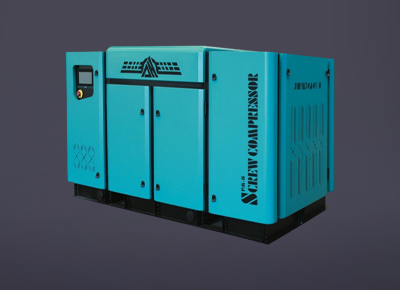
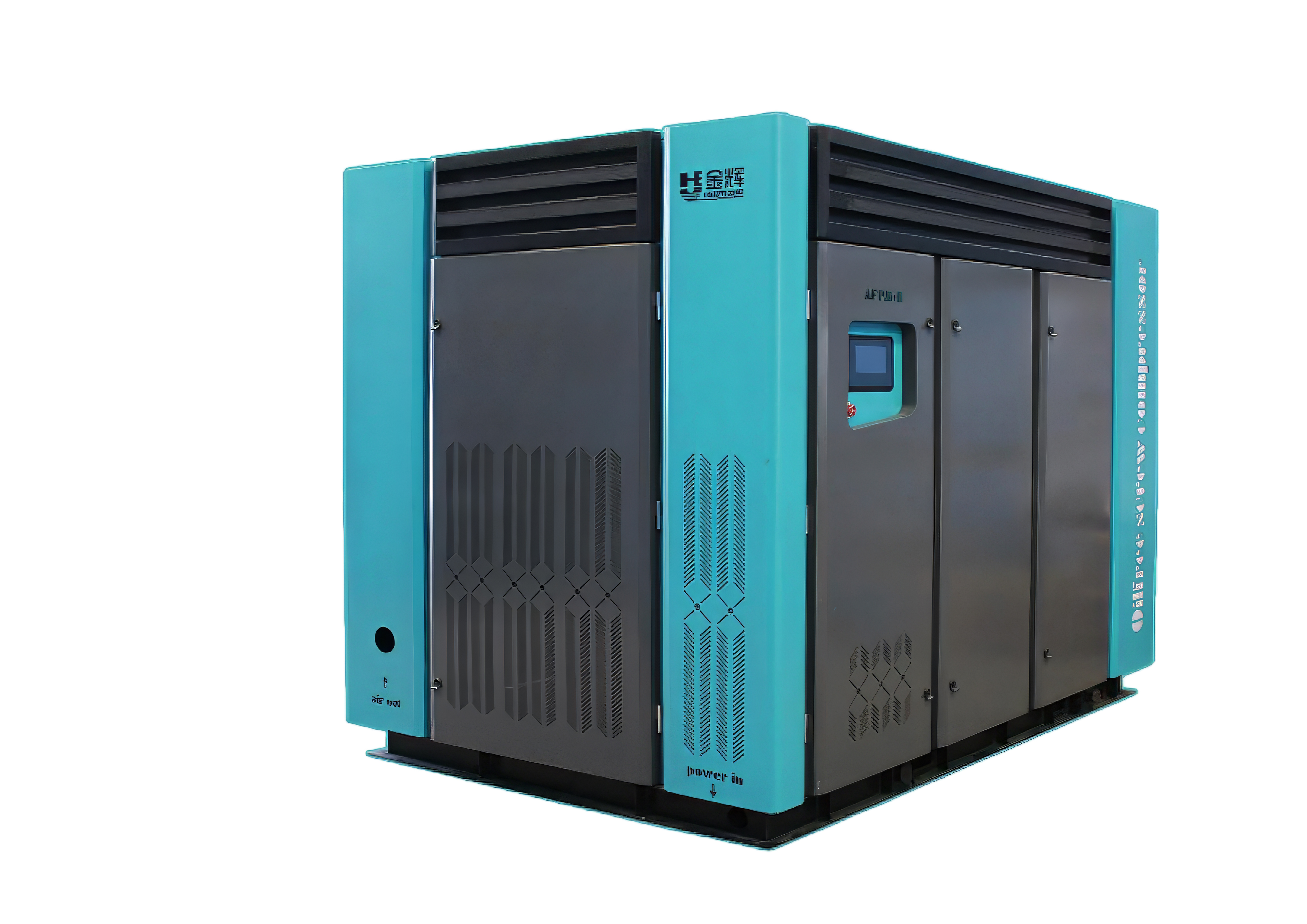
- Rise of Heavy-Duty and Large-Scale Systems: Industries such as automotive repair, woodworking, and CNC machining are adopting heavy-duty industrial compressors with capacities exceeding 80 m³/min. For example, the HT-8000 Pro offers 24/7 reliability with reinforced carbon steel construction and oil-cooled screw mechanisms.
- Portable and Oil-Free Solutions: Small-scale applications, including home workshops and DIY projects, are driving demand for 220V portable oil-free compressors. Models like the ZY-750 feature compact designs, digital pressure displays, and noise levels below 72 dB, catering to price-sensitive consumers without compromising performance.
Regional Dynamics:
- Asia-Pacific: China remains the largest market, accounting for 42% of global sales, driven by infrastructure projects and electronics manufacturing.
- Europe: Strict emissions regulations are accelerating adoption of electric and hybrid compressors, particularly in automotive and aerospace sectors.
- North America: The U.S. leads in innovation, with companies like Ingersoll Rand and Jenny Compressors dominating high-end industrial segments.
Challenges:
- Raw material price volatility (e.g., steel, copper) impacts production costs.
- Supply chain disruptions, exacerbated by geopolitical tensions, delay component deliveries.
Future Outlook:
The market will prioritize modular designs, predictive maintenance, and hydrogen-compatible compressors for green energy applications. Manufacturers are also exploring 3D-printed components to reduce weight and improve durability.