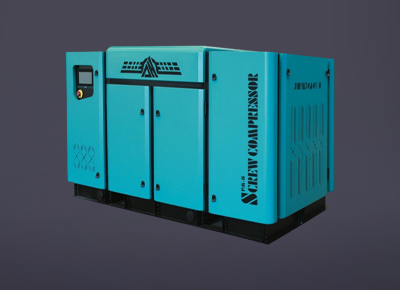
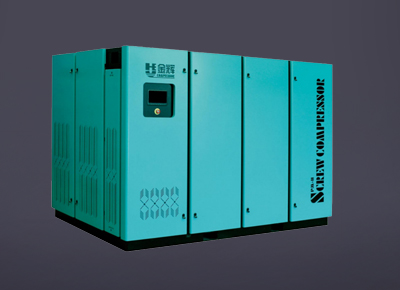
As global corporations aim for net-zero emissions by 2050, the air compressor industry is overhauling designs to minimize environmental impact. Innovations range from oil-free compression to hydrogen-ready systems, aligning with circular economy principles.
Eco-Friendly Trends:
- Oil-Free Technology: Compressors like the Aotus Oil-Free Series eliminate lubricant contamination, making them ideal for food processing and pharmaceuticals. These models also reduce waste disposal costs by 90%.
- Renewable Energy Compatibility: Solar-powered compressors are gaining traction in off-grid applications, such as agricultural irrigation in rural India.
- Lightweight Materials: Using aluminum alloys and recycled plastics cuts energy consumption during operation. For example, the ZY-750’s chassis is 40% lighter than traditional steel models.
Regulatory Pressures:
- The EU’s Ecodesign Directive mandates energy efficiency labels for compressors, pushing manufacturers to improve ratings.
- China’s “Double Carbon” Policy incentivizes factories to adopt low-emission equipment through tax breaks.
Corporate Initiatives:
- Atlas Copco has pledged to reduce Scope 3 emissions (indirect supply chain emissions) by 50% by 2030.
- Sullair partners with recycling firms to repurpose end-of-life compressors into construction materials.
Consumer Demand:
- 68% of buyers now prioritize energy efficiency over price, according to a 2025 survey by Frost & Sullivan.
- Startups like GreenCompress offer compressor leasing programs, reducing upfront costs for small businesses while ensuring access to the latest green tech.
Challenges:
- Higher R&D costs for sustainable materials may raise product prices.
- Limited infrastructure for recycling compressed air system components.
Future Innovations:
- Biodegradable Lubricants: For hybrid oil-free models.
- Carbon Capture Integration: To offset emissions from diesel-powered units.
The air compressor industry’s green transition is not just an environmental imperative but a competitive advantage, as eco-conscious buyers and regulators reshape market dynamics.